Blog
Notes on drawing things clearly
20 in-depth articles on choosing and drawing the right diagram. Every illustration is a real DiagramDock template, drawn by the product itself.
Diagramming9 min read
When an automatic diagram layout helps, and when it doesn't
What layout algorithms optimise, where they save time (trees, imports, large graphs), where they erase meaning (lanes, timelines, groupings), and a workflow.
Technical diagrams9 min read
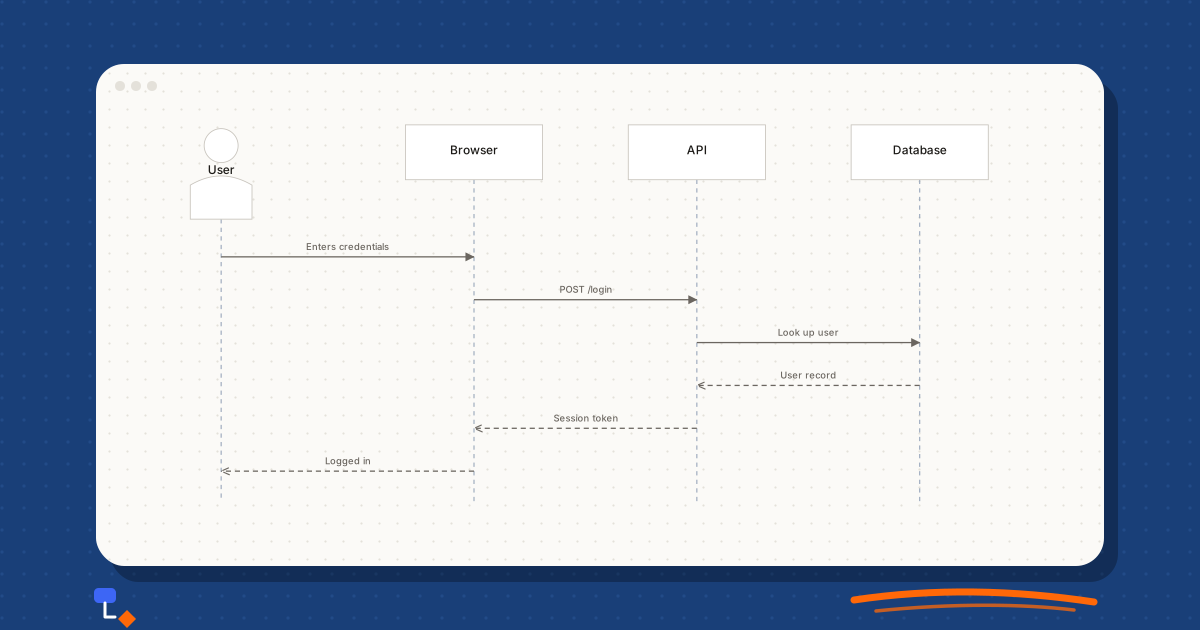
Sequence diagrams: seeing what happens between systems
Sequence diagram notation explained: participants, lifelines, messages, returns, activation and notes, a worked login example, and when to prefer one to a flowchart.
Technical diagrams9 min read
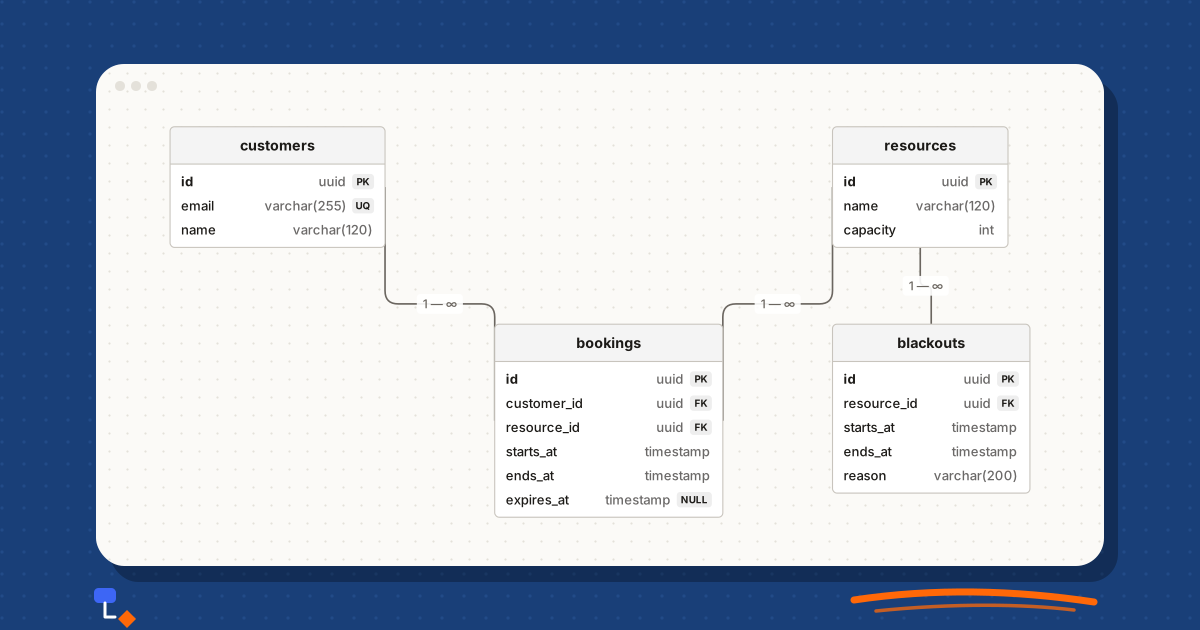
Visualising a database before writing the schema
A design-first workflow for databases: nouns to entities, relationships before columns, many-to-many found early, then the diagram turned into CREATE TABLE.
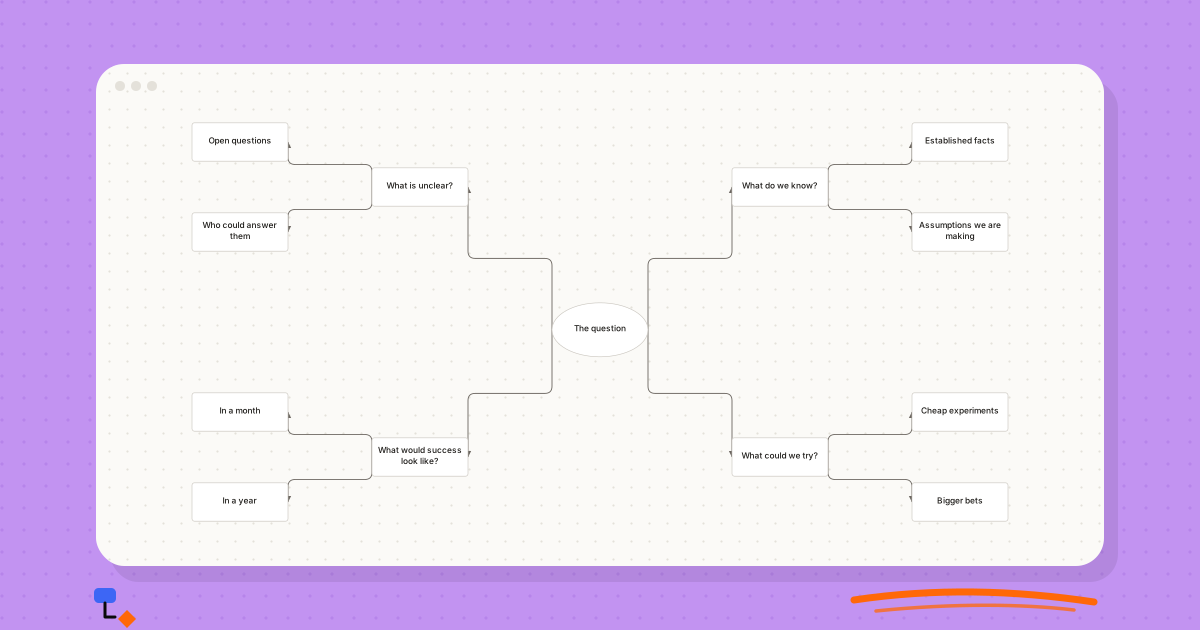
Visual thinking9 min read
From sticky notes to structure: turning brainstorms into diagrams
How to get from a wall of sticky notes to a diagram people can act on: separate the phases, cluster, name the groups, find relationships, pick the right type.
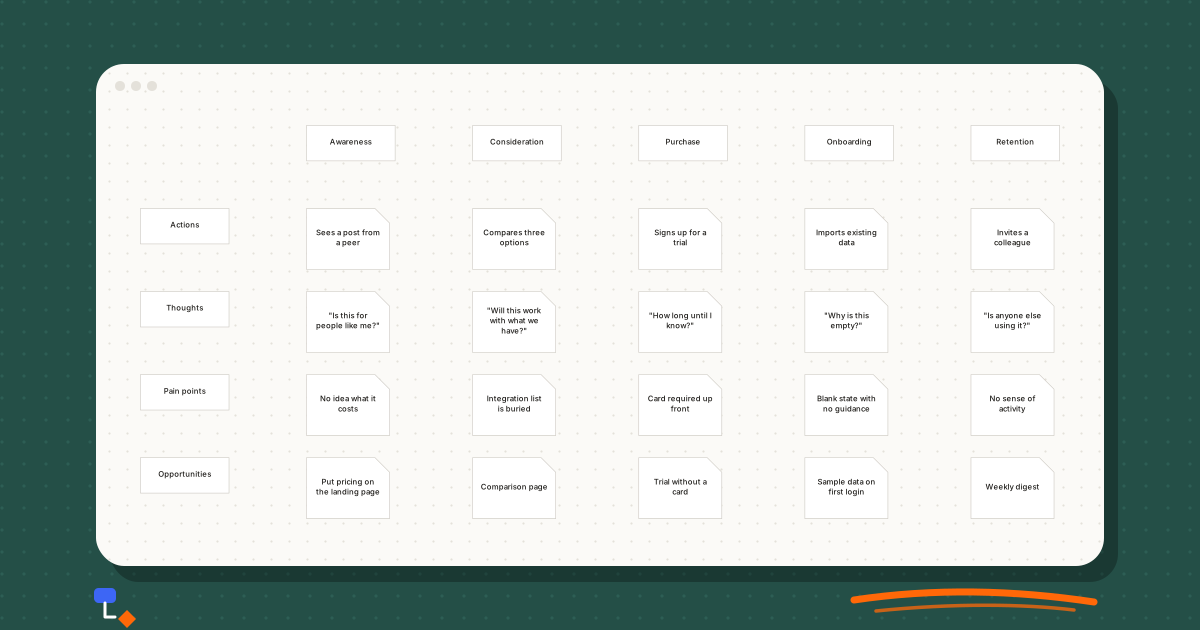
Business processes9 min read
Customer journey maps: what the rows and columns actually mean
What each stage and row of a customer journey map is for, how to fill it from evidence rather than guesswork, and a worked example for a software trial.
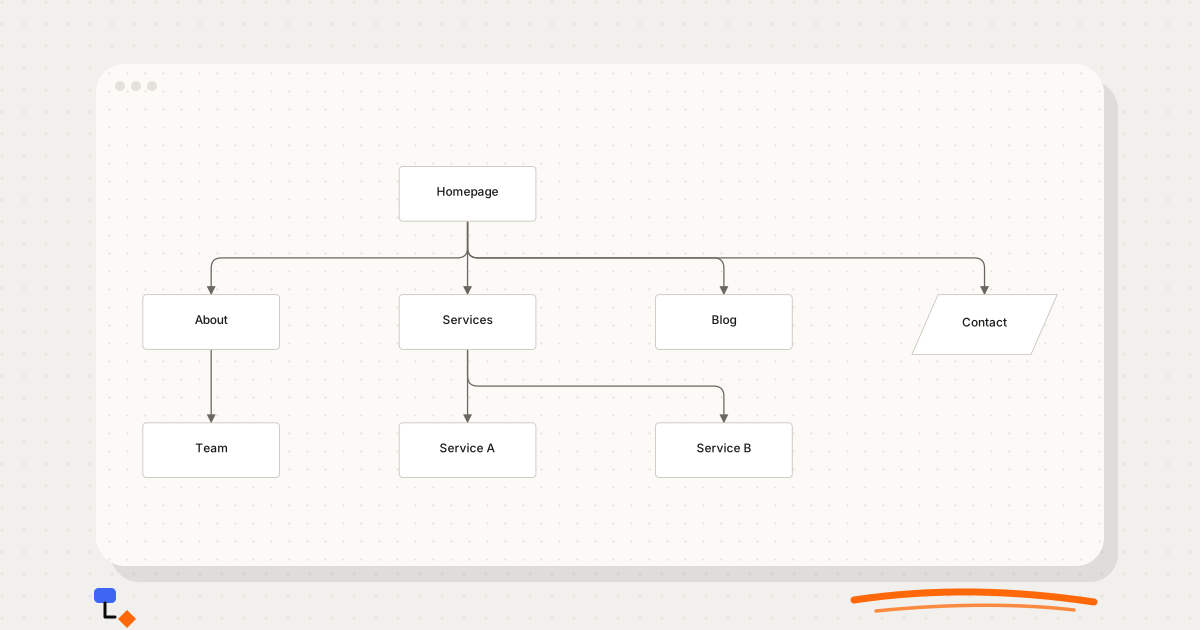
Diagramming9 min read
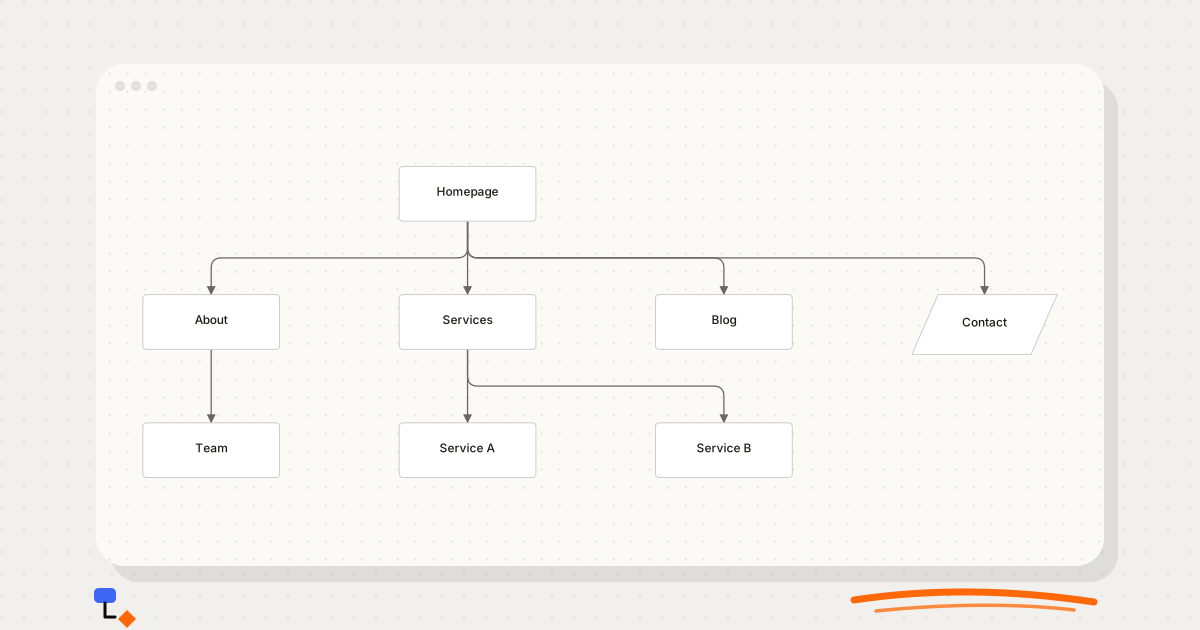
Why website projects benefit from a sitemap diagram
How a visual sitemap exposes hierarchy, depth, orphan and duplicate pages before design starts, with a worked example of a small business site redesign.
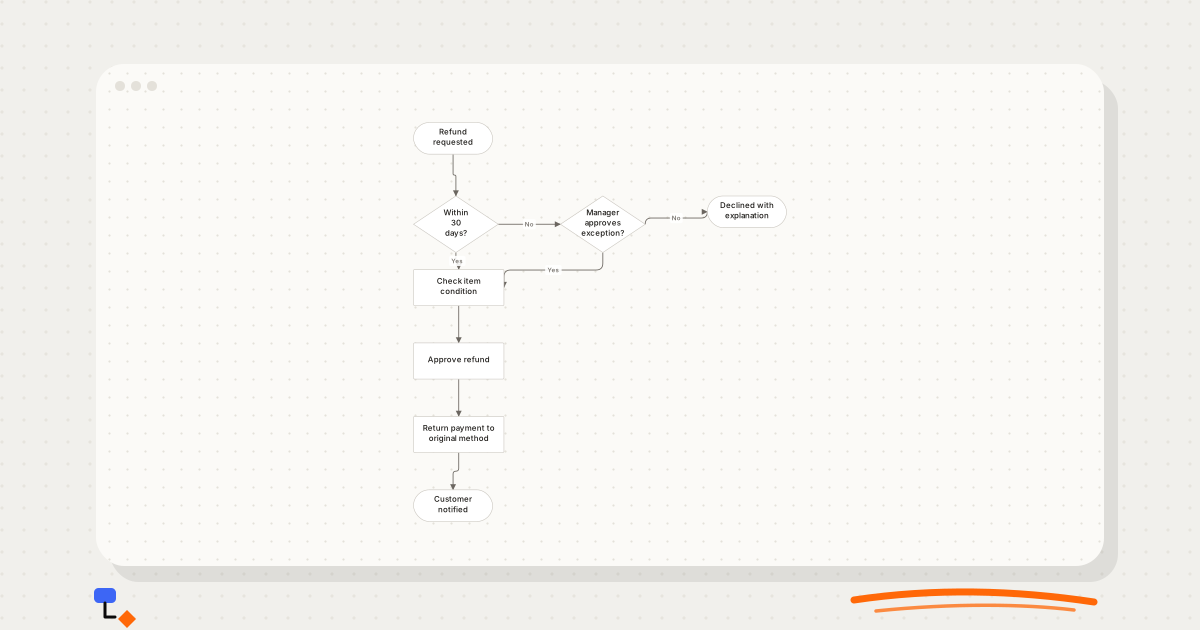
Diagramming9 min read
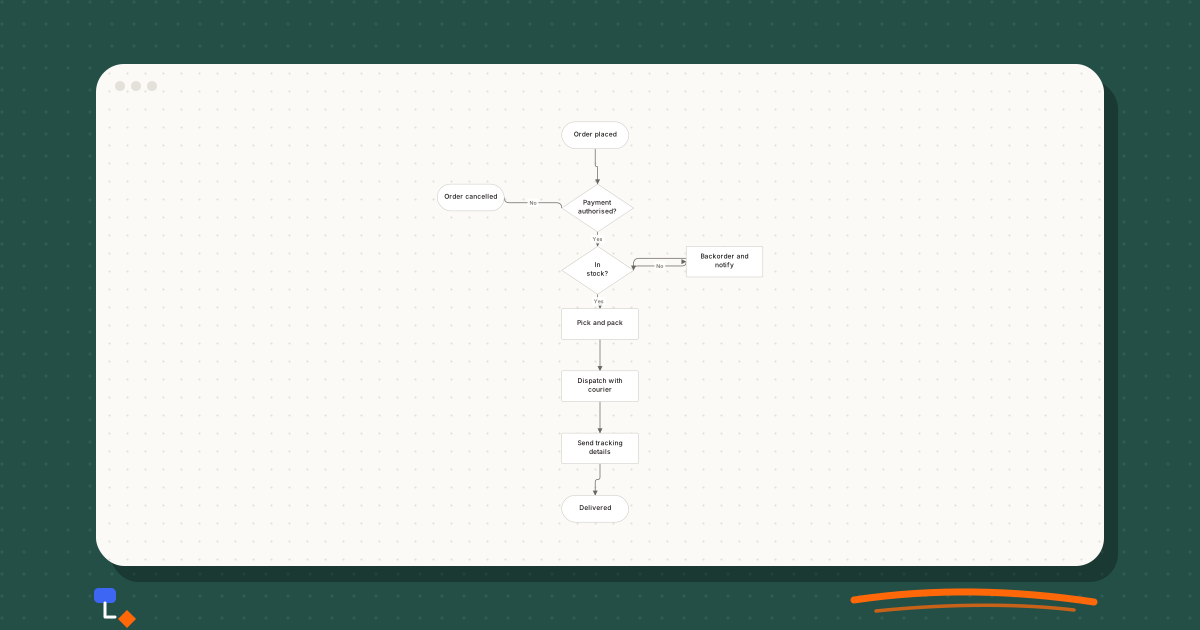
Decision trees vs flowcharts: which one fits the problem?
Trees branch and never rejoin; flowcharts loop and merge. How that one structural difference decides which diagram to draw, with a refund policy drawn both ways.
Business processes9 min read
Swimlane diagrams explained with a simple business example
How swimlane diagrams show responsibility, why handoffs across lanes matter, horizontal versus vertical lanes, and an order-to-invoice example drawn step by step.
Diagramming9 min read
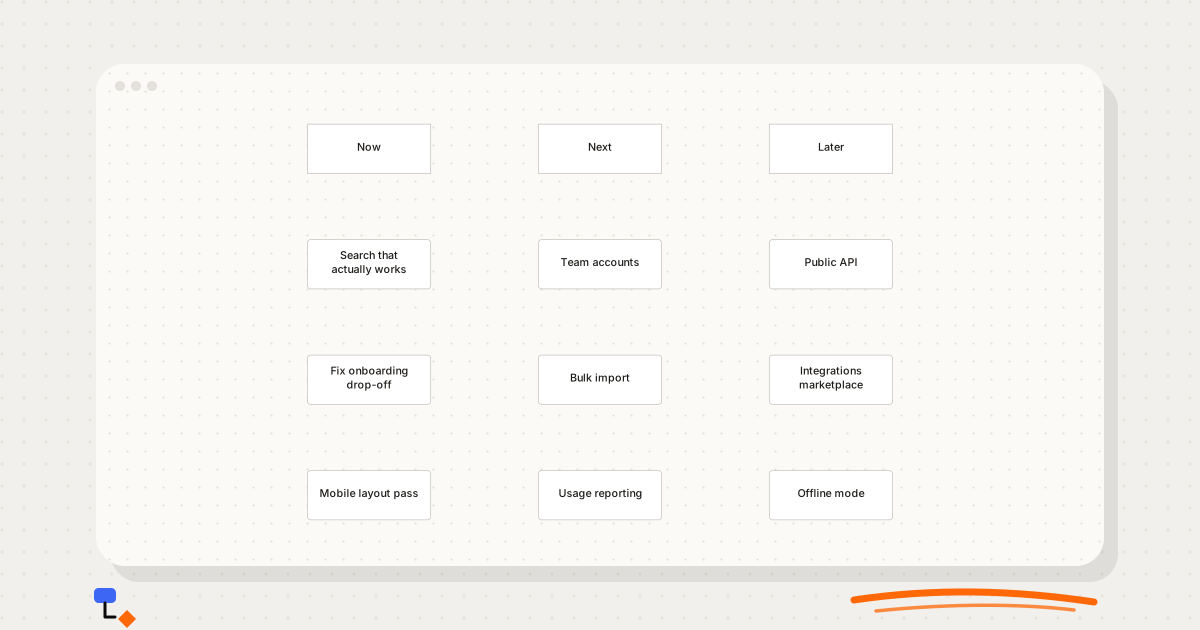
What belongs on a product roadmap?
Outcomes or features, Now/Next/Later or dates, and what to leave off: a practical guide to product roadmaps that stay honest as plans change.
Technical diagrams9 min read
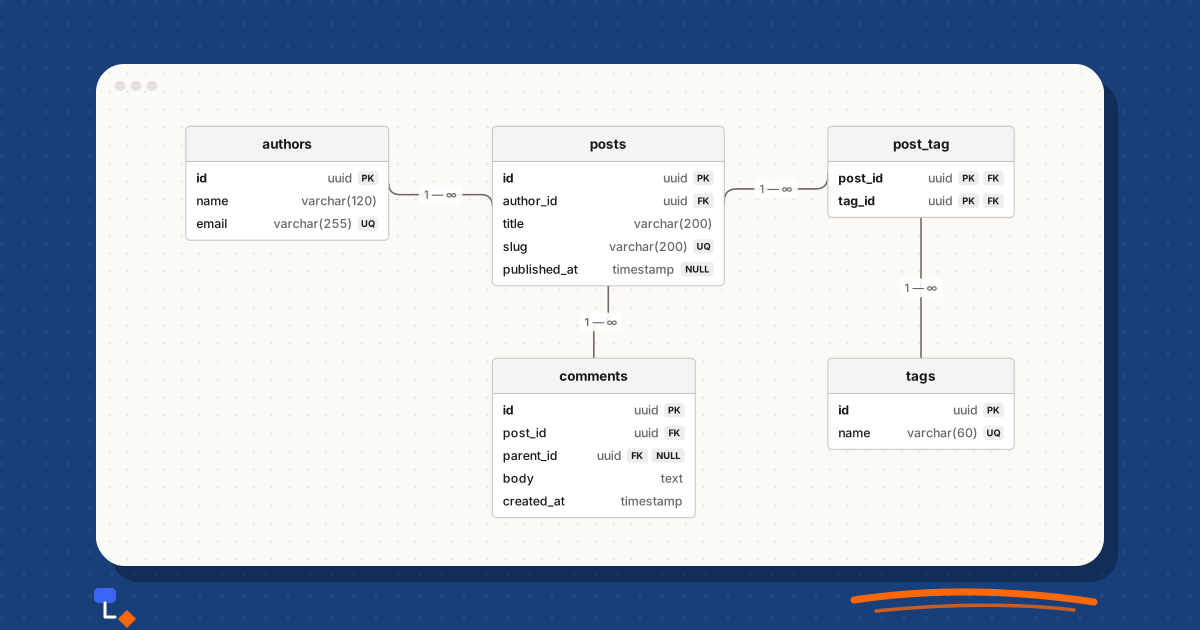
ER diagrams and database tables: understanding the connection
How entity-relationship diagrams map onto real tables: entities and attributes, primary and foreign keys, join tables and cardinality, with SQL alongside.
Mind maps9 min read
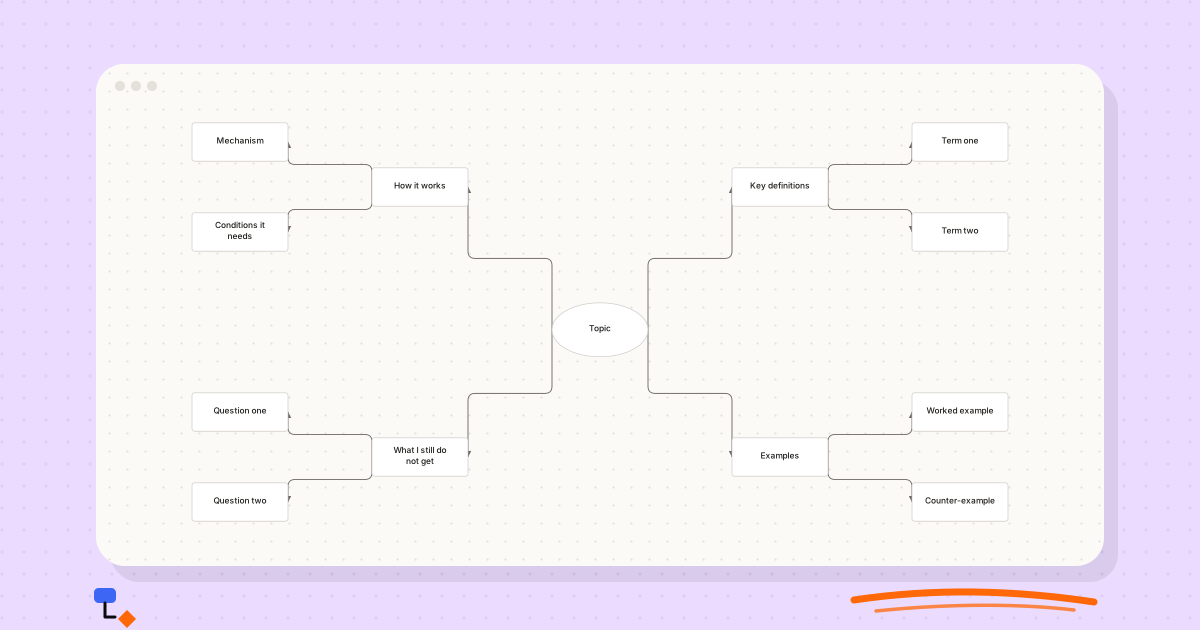
When a mind map works better than traditional notes
Linear notes win for argument, narrative and sequence. Mind maps win for overview, gaps and revision. How to tell which you need, and how to map a meeting live.
Business processes9 min read
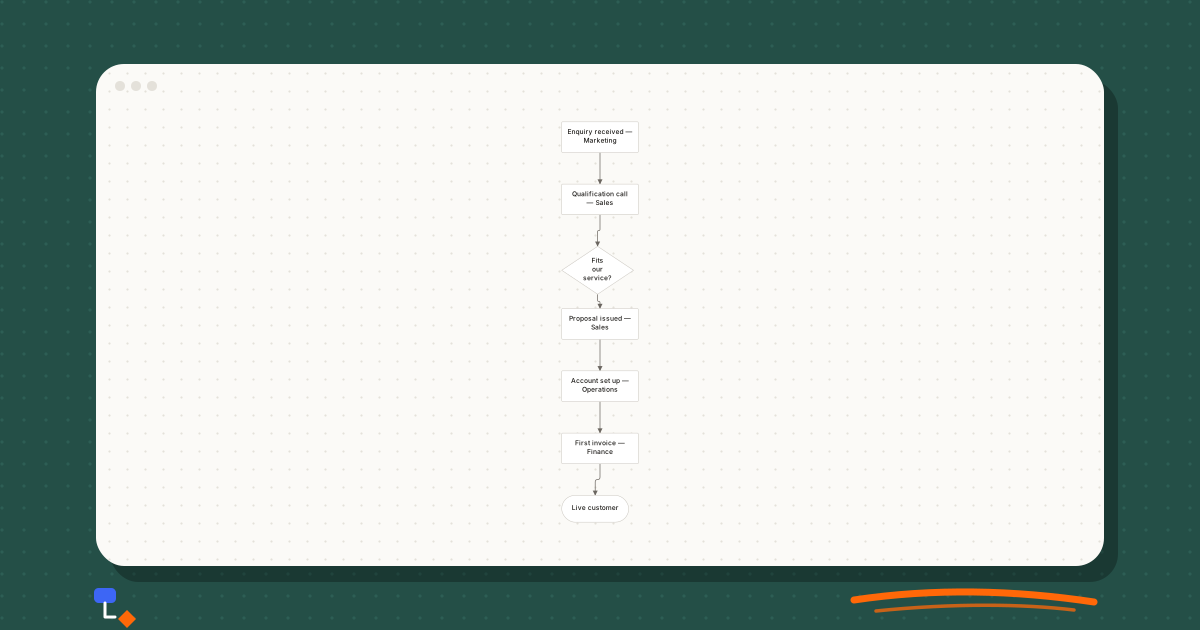
The difference between a process map and a workflow
Precise definitions of process maps and workflows, the levels of detail each works at, who reads them, and one refund process drawn both ways.
Business processes9 min read
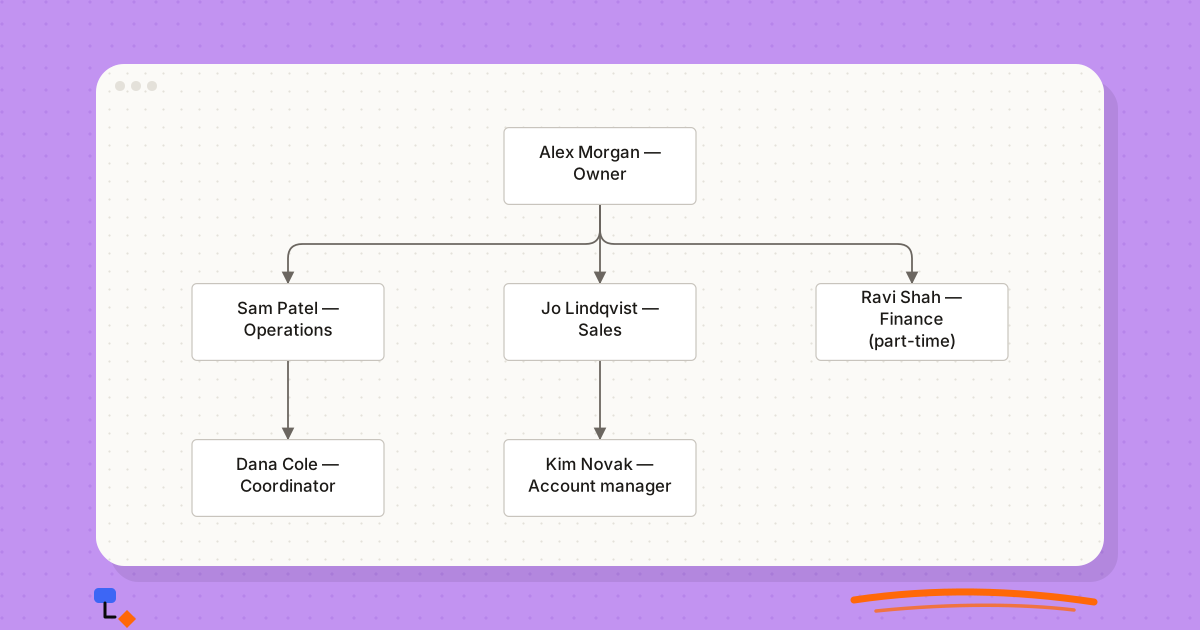
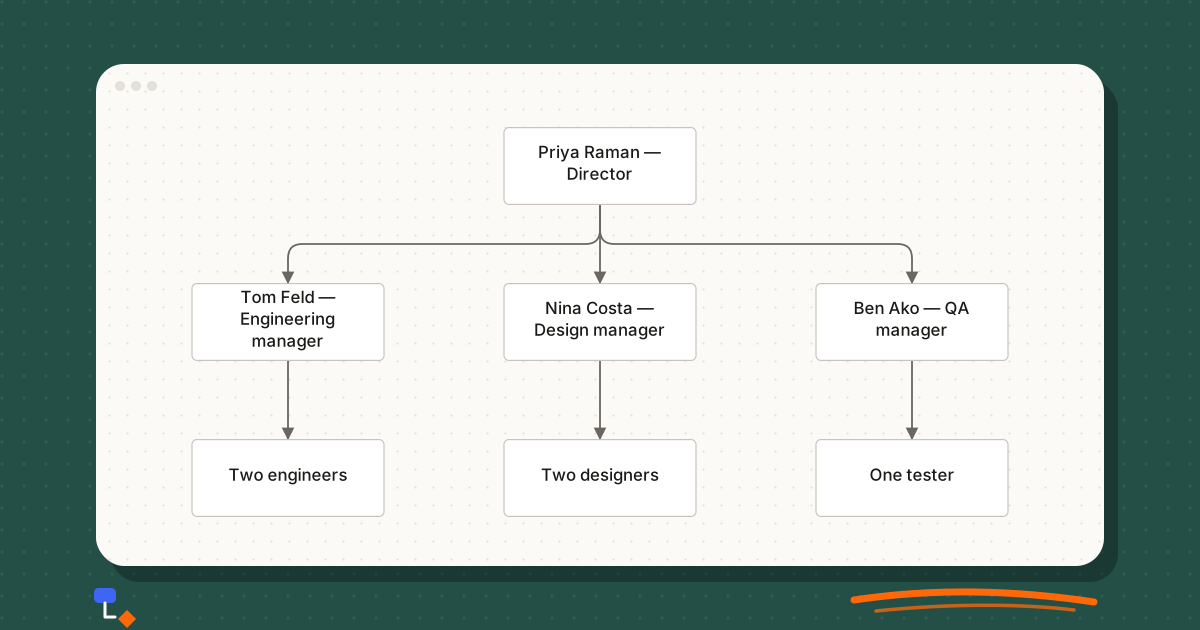
Org charts are more useful than a list of job titles
What an org chart shows that a staff list hides: span of control, depth, gaps and single points of failure, plus how to build one from a spreadsheet.
Technical diagrams10 min read
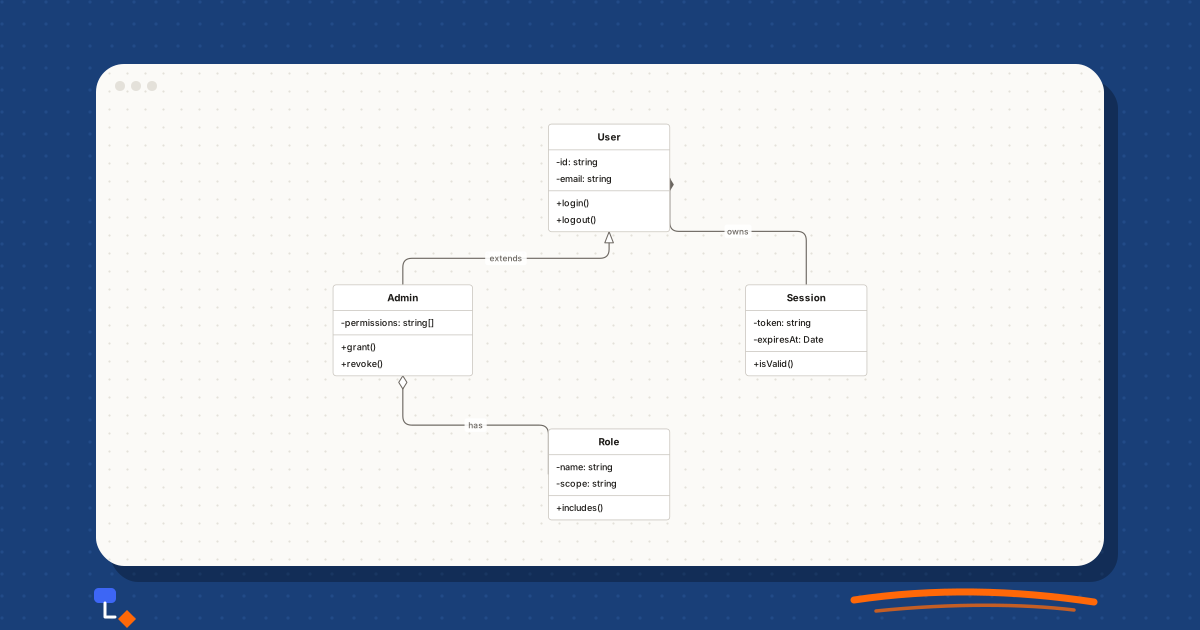
UML class diagrams: a practical introduction
How to read and draw UML class diagrams: compartments, visibility markers, the five relationships and their exact notation, multiplicity and how much detail to show.
Flowcharts9 min read
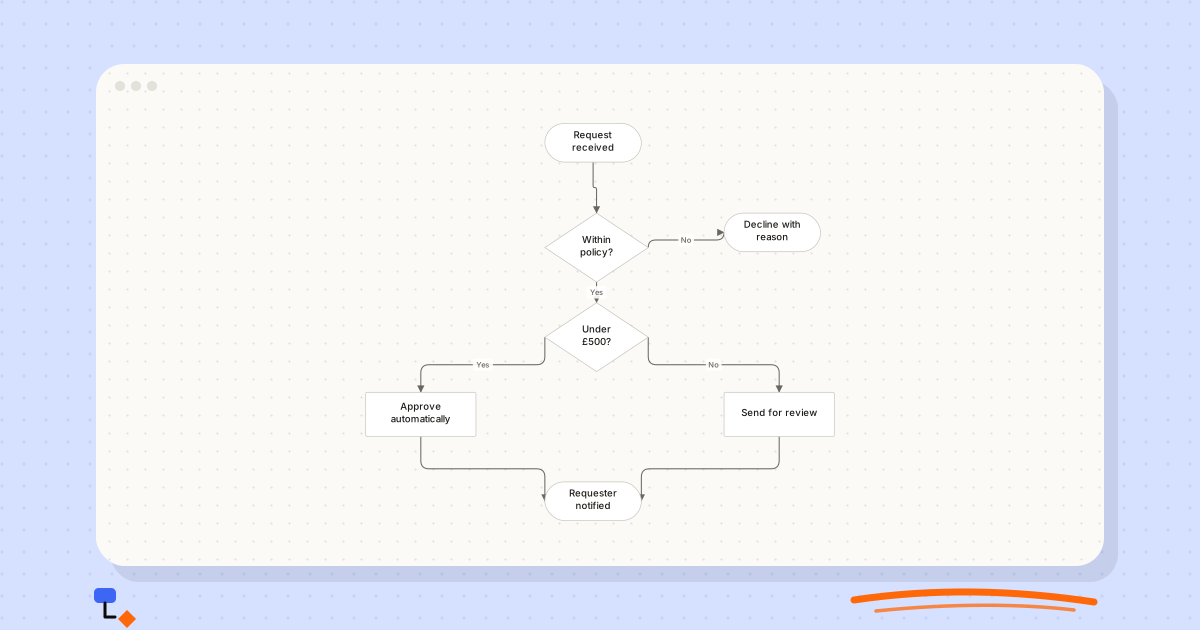
Seven flowchart mistakes that make processes harder to understand
Unlabelled branches, dead ends, vague questions and six other habits that make flowcharts misleading, with how to spot each one and how to fix it.
Business processes10 min read
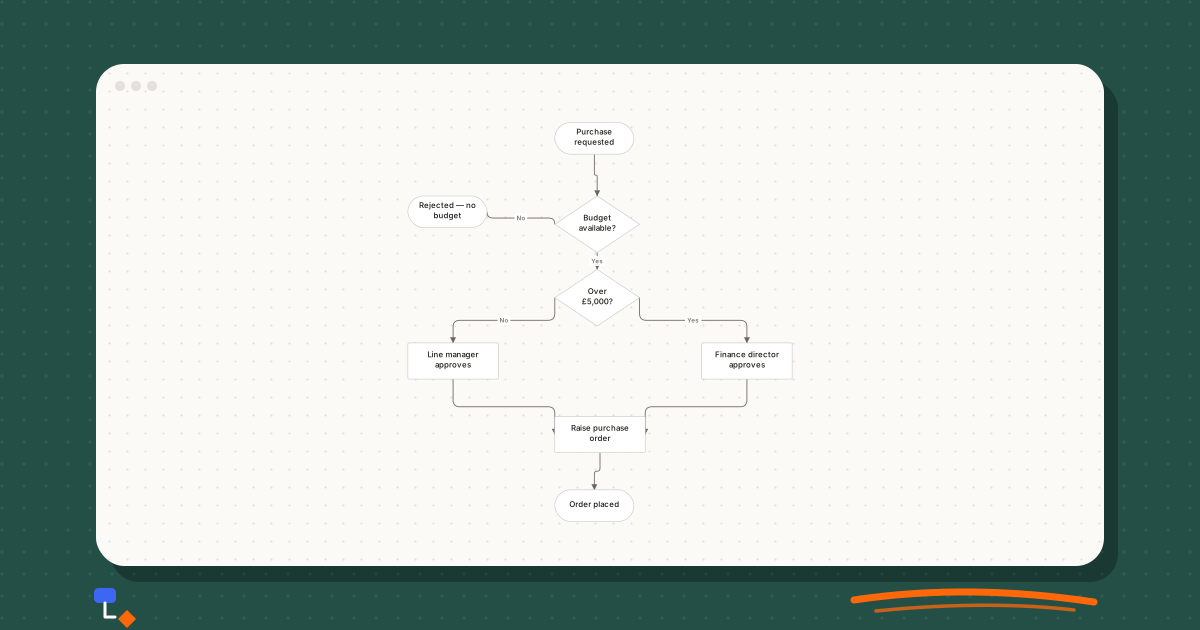
The case for drawing a process before trying to fix it
Why as-is mapping comes before improvement, how to run a mapping session, and where handoffs, waits, rework loops and approval chains show up on the page.
Mind maps9 min read
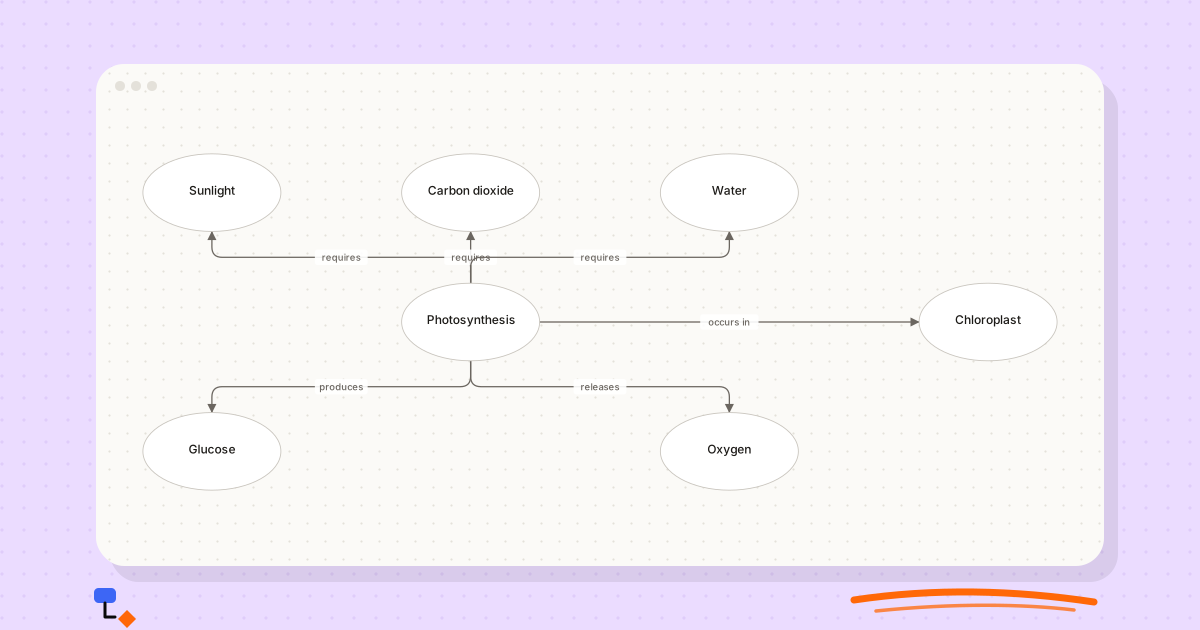
Mind maps vs concept maps: they solve different problems
A mind map is a tree; a concept map names every relationship. The same topic drawn both ways, where each fails, and how to convert one into the other.
Flowcharts9 min read
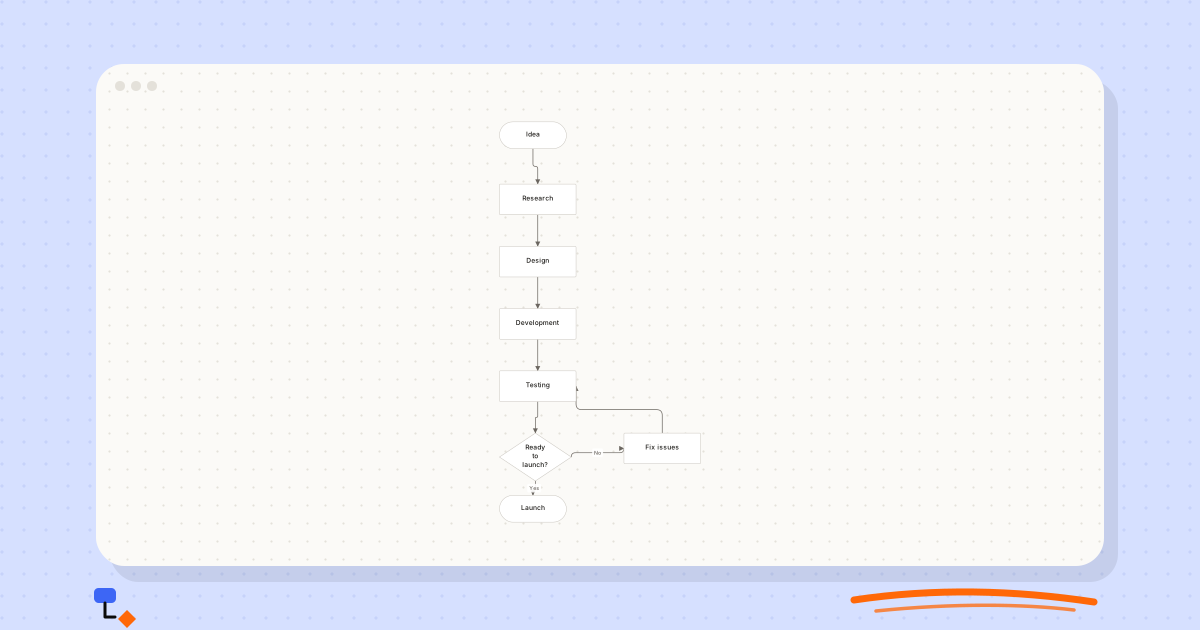
What makes a flowchart easy to read?
Direction, a visible main path, consistent detail, honest labels and loops that read as loops: what lets someone follow your flowchart without a meeting.
Flowcharts11 min read
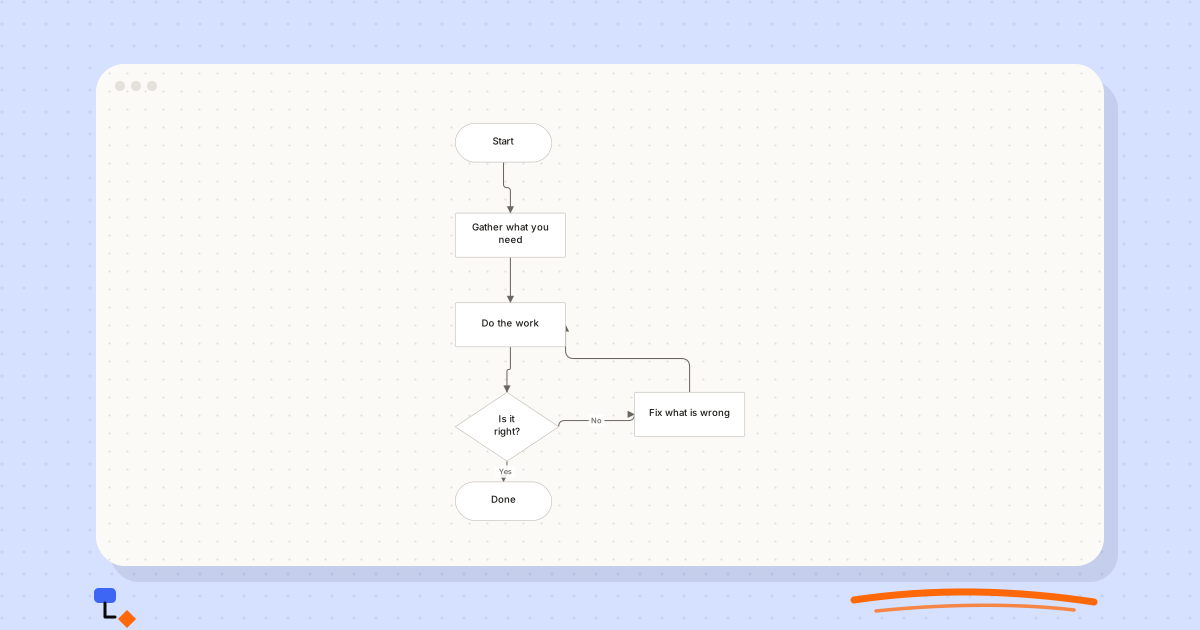
Flowchart symbols explained without the jargon
What each flowchart shape means, the four you need for almost every diagram, when the specialised ones earn their place, and how shapes get misused.