When a mind map works better than traditional notes
Linear notes win for argument, narrative and sequence. Mind maps win for overview, gaps and revision. How to tell which you need, and how to map a meeting live.
The DiagramDock team · · 9 min read
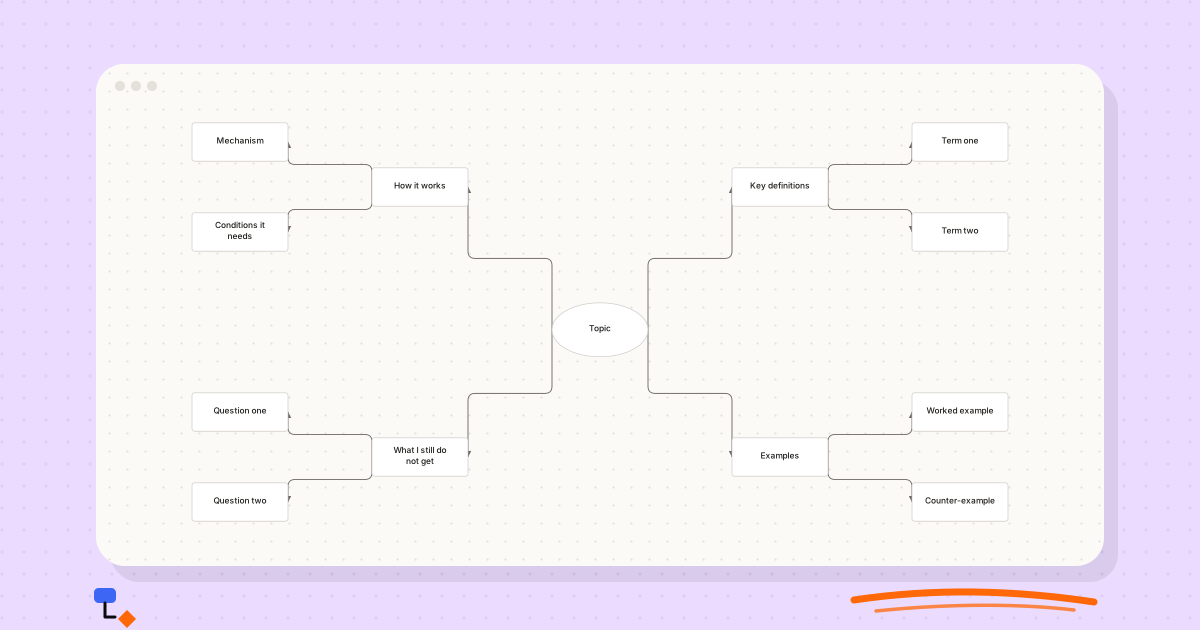
Most people take notes the way they were taught at school: top to bottom, one line after another, headings when they remember. It is a good default. It is also a poor fit for some jobs, and a mind map is the obvious alternative that people either swear by or have tried once and abandoned.
The useful question is not which method is better. It is which shape the material has, and what you will do with the notes afterwards. Material with a sequence wants lines. Material with a structure wants a map. This article sets out how to tell them apart, how to take mind-map notes in a lecture or meeting without falling behind, and what a real set of notes looks like before and after tidying.
Where linear notes win
Linear notes are a recording of time. They preserve the order things were said in, and order often carries meaning.
- Argument. A case built step by step, where each point depends on the one before, reads naturally as a sequence. Break it into branches and you lose the "therefore".
- Narrative. History, case studies and incident reports are stories. Who did what, then what happened next, is the content.
- Procedure. Instructions, derivations and worked solutions must be followed in order. A mind map of a proof shows its parts and hides how they connect.
- Exact wording. Definitions, quotations, decisions and anything you might need to cite later belong in full sentences.
- Detail. A paragraph can hold nuance, caveats and numbers that would turn a mind-map node into a block of text.
If you are reading a dense chapter that builds an argument, or sitting in a meeting where the exact wording of decisions matters, linear notes are the right tool and a mind map will feel like a fight.
Where mind maps win
A mind map is a record of structure. It throws away order and keeps grouping, which is exactly right when the grouping is what you need.
- Overview. A whole topic on one screen, with its main parts visible at once. Linear notes make you scroll to see the shape.
- Brainstorming. Ideas arrive out of order and belong in different places. A tree lets you drop each one where it fits without rewriting what came before.
- Revision. Redrawing the map of a topic from memory is a quick check of whether you know its parts. The gaps are visible as empty space.
- Finding gaps. A branch with one child next to branches with five is a prompt. Linear notes rarely show you what is missing.
- Material that jumps around. Speakers who return to earlier points, or meetings that circle back, produce scattered linear notes. A map puts the returning point back on its branch.
%20scale(0.54)%20translate(300%2C0)%22%3E%3Cline%20x1%3D%22380%22%20y1%3D%22345%22%20x2%3D%22680%22%20y2%3D%22107%22%20stroke%3D%22%236b6660%22%20stroke-width%3D%221.5%22%2F%3E%3Cline%20x1%3D%22680%22%20y1%3D%22107%22%20x2%3D%22980%22%20y2%3D%2232%22%20stroke%3D%22%236b6660%22%20stroke-width%3D%221.5%22%2F%3E%3Cline%20x1%3D%22680%22%20y1%3D%22107%22%20x2%3D%22980%22%20y2%3D%22182%22%20stroke%3D%22%236b6660%22%20stroke-width%3D%221.5%22%2F%3E%3Cline%20x1%3D%22380%22%20y1%3D%22345%22%20x2%3D%2280%22%20y2%3D%22107%22%20stroke%3D%22%236b6660%22%20stroke-width%3D%221.5%22%2F%3E%3Cline%20x1%3D%2280%22%20y1%3D%22107%22%20x2%3D%22-220%22%20y2%3D%2232%22%20stroke%3D%22%236b6660%22%20stroke-width%3D%221.5%22%2F%3E%3Cline%20x1%3D%2280%22%20y1%3D%22107%22%20x2%3D%22-220%22%20y2%3D%22182%22%20stroke%3D%22%236b6660%22%20stroke-width%3D%221.5%22%2F%3E%3Cline%20x1%3D%22380%22%20y1%3D%22345%22%20x2%3D%22680%22%20y2%3D%22557%22%20stroke%3D%22%236b6660%22%20stroke-width%3D%221.5%22%2F%3E%3Cline%20x1%3D%22680%22%20y1%3D%22557%22%20x2%3D%22980%22%20y2%3D%22482%22%20stroke%3D%22%236b6660%22%20stroke-width%3D%221.5%22%2F%3E%3Cline%20x1%3D%22680%22%20y1%3D%22557%22%20x2%3D%22980%22%20y2%3D%22632%22%20stroke%3D%22%236b6660%22%20stroke-width%3D%221.5%22%2F%3E%3Cline%20x1%3D%22380%22%20y1%3D%22345%22%20x2%3D%2280%22%20y2%3D%22557%22%20stroke%3D%22%236b6660%22%20stroke-width%3D%221.5%22%2F%3E%3Cline%20x1%3D%2280%22%20y1%3D%22557%22%20x2%3D%22-220%22%20y2%3D%22482%22%20stroke%3D%22%236b6660%22%20stroke-width%3D%221.5%22%2F%3E%3Cline%20x1%3D%2280%22%20y1%3D%22557%22%20x2%3D%22-220%22%20y2%3D%22632%22%20stroke%3D%22%236b6660%22%20stroke-width%3D%221.5%22%2F%3E%3Cg%20transform%3D%22translate(300%2C300)%22%20opacity%3D%221%22%3E%3Cellipse%20cx%3D%2280%22%20cy%3D%2245%22%20rx%3D%2280%22%20ry%3D%2245%22%20fill%3D%22%23ffffff%22%20stroke%3D%22%23c8c4bd%22%20stroke-width%3D%221%22%2F%3E%3C%2Fg%3E%3Cg%20transform%3D%22translate(600%2C75)%22%20opacity%3D%221%22%3E%3Crect%20x%3D%220%22%20y%3D%220%22%20width%3D%22160%22%20height%3D%2264%22%20rx%3D%224%22%20fill%3D%22%23ffffff%22%20stroke%3D%22%23c8c4bd%22%20stroke-width%3D%221%22%2F%3E%3C%2Fg%3E%3Cg%20transform%3D%22translate(900%2C0)%22%20opacity%3D%221%22%3E%3Crect%20x%3D%220%22%20y%3D%220%22%20width%3D%22160%22%20height%3D%2264%22%20rx%3D%224%22%20fill%3D%22%23ffffff%22%20stroke%3D%22%23c8c4bd%22%20stroke-width%3D%221%22%2F%3E%3C%2Fg%3E%3Cg%20transform%3D%22translate(900%2C150)%22%20opacity%3D%221%22%3E%3Crect%20x%3D%220%22%20y%3D%220%22%20width%3D%22160%22%20height%3D%2264%22%20rx%3D%224%22%20fill%3D%22%23ffffff%22%20stroke%3D%22%23c8c4bd%22%20stroke-width%3D%221%22%2F%3E%3C%2Fg%3E%3Cg%20transform%3D%22translate(0%2C75)%22%20opacity%3D%221%22%3E%3Crect%20x%3D%220%22%20y%3D%220%22%20width%3D%22160%22%20height%3D%2264%22%20rx%3D%224%22%20fill%3D%22%23ffffff%22%20stroke%3D%22%23c8c4bd%22%20stroke-width%3D%221%22%2F%3E%3C%2Fg%3E%3Cg%20transform%3D%22translate(-300%2C0)%22%20opacity%3D%221%22%3E%3Crect%20x%3D%220%22%20y%3D%220%22%20width%3D%22160%22%20height%3D%2264%22%20rx%3D%224%22%20fill%3D%22%23ffffff%22%20stroke%3D%22%23c8c4bd%22%20stroke-width%3D%221%22%2F%3E%3C%2Fg%3E%3Cg%20transform%3D%22translate(-300%2C150)%22%20opacity%3D%221%22%3E%3Crect%20x%3D%220%22%20y%3D%220%22%20width%3D%22160%22%20height%3D%2264%22%20rx%3D%224%22%20fill%3D%22%23ffffff%22%20stroke%3D%22%23c8c4bd%22%20stroke-width%3D%221%22%2F%3E%3C%2Fg%3E%3Cg%20transform%3D%22translate(600%2C525)%22%20opacity%3D%221%22%3E%3Crect%20x%3D%220%22%20y%3D%220%22%20width%3D%22160%22%20height%3D%2264%22%20rx%3D%224%22%20fill%3D%22%23ffffff%22%20stroke%3D%22%23c8c4bd%22%20stroke-width%3D%221%22%2F%3E%3C%2Fg%3E%3Cg%20transform%3D%22translate(900%2C450)%22%20opacity%3D%221%22%3E%3Crect%20x%3D%220%22%20y%3D%220%22%20width%3D%22160%22%20height%3D%2264%22%20rx%3D%224%22%20fill%3D%22%23ffffff%22%20stroke%3D%22%23c8c4bd%22%20stroke-width%3D%221%22%2F%3E%3C%2Fg%3E%3Cg%20transform%3D%22translate(900%2C600)%22%20opacity%3D%221%22%3E%3Crect%20x%3D%220%22%20y%3D%220%22%20width%3D%22160%22%20height%3D%2264%22%20rx%3D%224%22%20fill%3D%22%23ffffff%22%20stroke%3D%22%23c8c4bd%22%20stroke-width%3D%221%22%2F%3E%3C%2Fg%3E%3Cg%20transform%3D%22translate(0%2C525)%22%20opacity%3D%221%22%3E%3Crect%20x%3D%220%22%20y%3D%220%22%20width%3D%22160%22%20height%3D%2264%22%20rx%3D%224%22%20fill%3D%22%23ffffff%22%20stroke%3D%22%23c8c4bd%22%20stroke-width%3D%221%22%2F%3E%3C%2Fg%3E%3Cg%20transform%3D%22translate(-300%2C450)%22%20opacity%3D%221%22%3E%3Crect%20x%3D%220%22%20y%3D%220%22%20width%3D%22160%22%20height%3D%2264%22%20rx%3D%224%22%20fill%3D%22%23ffffff%22%20stroke%3D%22%23c8c4bd%22%20stroke-width%3D%221%22%2F%3E%3C%2Fg%3E%3Cg%20transform%3D%22translate(-300%2C600)%22%20opacity%3D%221%22%3E%3Crect%20x%3D%220%22%20y%3D%220%22%20width%3D%22160%22%20height%3D%2264%22%20rx%3D%224%22%20fill%3D%22%23ffffff%22%20stroke%3D%22%23c8c4bd%22%20stroke-width%3D%221%22%2F%3E%3C%2Fg%3E%3C%2Fg%3E%3C%2Fsvg%3E)
The last branch in that template is the point. Linear notes are good at recording what you were told. A map with an explicit branch for open questions is good at recording what you do not yet understand, which is the more useful list when revising.
A quick way to decide
Before you start, ask two questions: does the order matter, and what will I do with these notes later?
| Material or purpose | Better format | Reason |
|---|---|---|
| A lecture building one argument | Linear | Each point depends on the last |
| A survey lecture covering several topics | Mind map | Topics are parallel, not sequential |
| A book you want to act on | Mind map | Argument, evidence, objections and actions sit side by side |
| Meeting minutes for the record | Linear | Decisions need exact wording and order |
| Working notes in a planning meeting | Mind map | Discussion jumps between workstreams |
| Instructions or a method | Linear | Steps must be followed in order |
| Revising a topic before an exam | Mind map | Shows the whole and exposes what is missing |
| A research reading list | Mind map | Findings can hang off the sources that produced them |
If the honest answer is "both", use both. Linear notes during the session for detail and wording; a mind map afterwards for structure. The second pass is where most of the understanding happens anyway.
Taking mind-map notes in a lecture or meeting
Live mind mapping fails for one reason: people try to make the map tidy as they go. It will not be tidy. The goal during the session is capture, and tidying comes later.
Before
- Put the session's subject in the central node, phrased as a question if you can: "What do we need to switch payment provider?" rather than "Payments".
- Create branches from anything you already know: the agenda, the lecture outline, the chapter headings. Empty branches are fine.
- Add two utility branches: "Unplaced" for anything you cannot file, and "Actions and questions" for things that need follow-up.
During
- Write keywords and short phrases, not sentences. Three to five words per node is plenty.
- When the speaker changes topic, add a branch rather than forcing the new topic under an old one.
- When you are not sure where something goes, put it under "Unplaced" and keep listening.
- Prefix nodes that need follow-up: "?" for a question, "A:" for an action with a name, "D:" for a decision.
- If exact wording matters, such as a decision or a definition, switch to a full sentence for that node. One long node is better than a lost decision.
After, ideally the same day
- Empty the "Unplaced" branch. Most items now obviously belong somewhere.
- Merge duplicate nodes and rename vague ones while you still remember what they meant.
- Look at the shape. Which branch is thin? That is where your understanding, or the meeting's, is weakest.
- Copy decisions and actions out into a short linear list for anyone who needs the record.
A worked example: a forty-minute planning meeting
A small charity is moving online donations to a new payment provider. Five people meet for forty minutes: the director, the fundraising lead, a volunteer who looks after the website, the finance officer and someone from the supporter care team. One person takes notes as a mind map. This is roughly what the map looks like when the meeting ends.
What do we need to switch payment provider?
  Money
    New fees lower on card
    Direct debits? (ask provider)
    D: finance signs off fees
  Website
    Donate page form
    Thank-you email template
    ? who owns DNS
  Supporters
    Existing monthly donors
    Gift Aid declarations
  Unplaced
    Old provider notice period
    Test with £1 donation
    Trustees meeting 14th
    Annual report mentions old provider
  Actions and questions
    A: Priya - ask provider re direct debits
    A: Tom - list pages with donate form
It is messy, which is expected. Now the tidy pass, done the same afternoon.
What do we need to switch payment provider?
  Contract and money
    Old provider: notice period (find contract)
    New provider fees: lower on card payments
    D: Finance officer signs off fees before anything moves
  Monthly donors
    Can direct debits move, or must donors re-sign up?
    Gift Aid declarations must stay linked to each donor
  Website
    Donate page form
    Thank-you email template
    DNS and domain: owner unknown
    Test: £1 live donation before switching
  Communications
    Annual report mentions old provider
    Trustees: update at meeting on the 14th
  Actions
    Priya: ask provider about direct debit migration
    Tom: list every page with a donate form
    Unassigned: find out who owns DNS
Several things are now visible that the raw notes hid. The "Unplaced" branch has gone: its four items formed most of a new branch, communications, which nobody had put on the agenda. Monthly donors became its own branch, and with two items it is clearly the thinnest area relative to its importance. That is the part of the switch most likely to go wrong. And the DNS question, which was a stray "?" in the website branch, has become an unassigned action, which is a different and more urgent kind of thing.
Compare what linear notes of the same meeting would probably have looked like: a page and a half in the order things were said, starting with fees because the finance officer spoke first, then the website, then a detour back to fees, then the trustees, then donors near the end when time was short. Every fact would be there. But the observation that monthly donors had received the least attention depends on seeing the topics side by side, and a chronological page does not put them side by side. You would have to reread and regroup the notes to find it, which is the tidy pass under another name.
The linear version would have done one thing better. It would show that the donor question came up in the last five minutes, which is itself a clue about why it was thin. If timing matters to you, add a short note on the branch saying so.
The decision about fees is still recorded as one short sentence. For the minutes, that sentence and the actions get copied into a linear list. The map stays with the person running the project, because it shows the shape of the work in a way the minutes do not.
Using both without doing the work twice
The choice is rarely all or nothing. The most practical arrangement for many people is linear notes as the primary record and a mind map as an index into them.
For reading, take linear notes chapter by chapter, because the author's argument has an order and you want to follow it. When you finish the book or the section, build a small map with one branch per idea that mattered, and put a page or chapter reference on each node. The map is now a way back into the notes rather than a replacement for them. The book-notes structure below works well for this: the evidence and disagreement branches force you to evaluate rather than summarise.
For projects, run it the other way. Keep a mind map of the whole project as the living overview, and attach linear detail where it is needed: a decision log, a specification, a set of minutes. The map tells you where you are; the documents hold the wording.
Either way, the map stays small. A mind map that tries to contain everything becomes a linear document drawn awkwardly. Keep it at the level of headings and key terms, and let the detail live in the format built for detail.
Common mistakes, and how to spot them
- Copying the speaker's slides as branches. If your map has exactly the same structure as the slide deck, you have transcribed rather than organised. Fine for capture; do the tidy pass anyway.
- Sentences in every node. If nodes run to two lines, you are taking linear notes in boxes. Shorten them, or accept that linear notes suit this material better.
- Too many levels. Five or more levels deep usually means one branch is really a separate topic. Give it its own map.
- Never tidying. Keywords that were obvious at 10am are cryptic a week later. A map that is not revisited within a day or two loses most of its value.
- Losing decisions. A map is a poor permanent record of who agreed to what. Copy decisions out in full.
- Forcing cross-links into a tree. If you keep wanting to draw lines between branches, the material has relationships worth naming, and a concept map is the better next step.
%20scale(0.54)%20translate(300%2C0)%22%3E%3Cline%20x1%3D%22380%22%20y1%3D%22345%22%20x2%3D%22680%22%20y2%3D%22107%22%20stroke%3D%22%236b6660%22%20stroke-width%3D%221.5%22%2F%3E%3Cline%20x1%3D%22680%22%20y1%3D%22107%22%20x2%3D%22980%22%20y2%3D%2232%22%20stroke%3D%22%236b6660%22%20stroke-width%3D%221.5%22%2F%3E%3Cline%20x1%3D%22680%22%20y1%3D%22107%22%20x2%3D%22980%22%20y2%3D%22182%22%20stroke%3D%22%236b6660%22%20stroke-width%3D%221.5%22%2F%3E%3Cline%20x1%3D%22380%22%20y1%3D%22345%22%20x2%3D%2280%22%20y2%3D%22107%22%20stroke%3D%22%236b6660%22%20stroke-width%3D%221.5%22%2F%3E%3Cline%20x1%3D%2280%22%20y1%3D%22107%22%20x2%3D%22-220%22%20y2%3D%2232%22%20stroke%3D%22%236b6660%22%20stroke-width%3D%221.5%22%2F%3E%3Cline%20x1%3D%2280%22%20y1%3D%22107%22%20x2%3D%22-220%22%20y2%3D%22182%22%20stroke%3D%22%236b6660%22%20stroke-width%3D%221.5%22%2F%3E%3Cline%20x1%3D%22380%22%20y1%3D%22345%22%20x2%3D%22680%22%20y2%3D%22557%22%20stroke%3D%22%236b6660%22%20stroke-width%3D%221.5%22%2F%3E%3Cline%20x1%3D%22680%22%20y1%3D%22557%22%20x2%3D%22980%22%20y2%3D%22482%22%20stroke%3D%22%236b6660%22%20stroke-width%3D%221.5%22%2F%3E%3Cline%20x1%3D%22680%22%20y1%3D%22557%22%20x2%3D%22980%22%20y2%3D%22632%22%20stroke%3D%22%236b6660%22%20stroke-width%3D%221.5%22%2F%3E%3Cline%20x1%3D%22380%22%20y1%3D%22345%22%20x2%3D%2280%22%20y2%3D%22557%22%20stroke%3D%22%236b6660%22%20stroke-width%3D%221.5%22%2F%3E%3Cline%20x1%3D%2280%22%20y1%3D%22557%22%20x2%3D%22-220%22%20y2%3D%22482%22%20stroke%3D%22%236b6660%22%20stroke-width%3D%221.5%22%2F%3E%3Cline%20x1%3D%2280%22%20y1%3D%22557%22%20x2%3D%22-220%22%20y2%3D%22632%22%20stroke%3D%22%236b6660%22%20stroke-width%3D%221.5%22%2F%3E%3Cg%20transform%3D%22translate(300%2C300)%22%20opacity%3D%221%22%3E%3Cellipse%20cx%3D%2280%22%20cy%3D%2245%22%20rx%3D%2280%22%20ry%3D%2245%22%20fill%3D%22%23ffffff%22%20stroke%3D%22%23c8c4bd%22%20stroke-width%3D%221%22%2F%3E%3C%2Fg%3E%3Cg%20transform%3D%22translate(600%2C75)%22%20opacity%3D%221%22%3E%3Crect%20x%3D%220%22%20y%3D%220%22%20width%3D%22160%22%20height%3D%2264%22%20rx%3D%224%22%20fill%3D%22%23ffffff%22%20stroke%3D%22%23c8c4bd%22%20stroke-width%3D%221%22%2F%3E%3C%2Fg%3E%3Cg%20transform%3D%22translate(900%2C0)%22%20opacity%3D%221%22%3E%3Crect%20x%3D%220%22%20y%3D%220%22%20width%3D%22160%22%20height%3D%2264%22%20rx%3D%224%22%20fill%3D%22%23ffffff%22%20stroke%3D%22%23c8c4bd%22%20stroke-width%3D%221%22%2F%3E%3C%2Fg%3E%3Cg%20transform%3D%22translate(900%2C150)%22%20opacity%3D%221%22%3E%3Crect%20x%3D%220%22%20y%3D%220%22%20width%3D%22160%22%20height%3D%2264%22%20rx%3D%224%22%20fill%3D%22%23ffffff%22%20stroke%3D%22%23c8c4bd%22%20stroke-width%3D%221%22%2F%3E%3C%2Fg%3E%3Cg%20transform%3D%22translate(0%2C75)%22%20opacity%3D%221%22%3E%3Crect%20x%3D%220%22%20y%3D%220%22%20width%3D%22160%22%20height%3D%2264%22%20rx%3D%224%22%20fill%3D%22%23ffffff%22%20stroke%3D%22%23c8c4bd%22%20stroke-width%3D%221%22%2F%3E%3C%2Fg%3E%3Cg%20transform%3D%22translate(-300%2C0)%22%20opacity%3D%221%22%3E%3Crect%20x%3D%220%22%20y%3D%220%22%20width%3D%22160%22%20height%3D%2264%22%20rx%3D%224%22%20fill%3D%22%23ffffff%22%20stroke%3D%22%23c8c4bd%22%20stroke-width%3D%221%22%2F%3E%3C%2Fg%3E%3Cg%20transform%3D%22translate(-300%2C150)%22%20opacity%3D%221%22%3E%3Crect%20x%3D%220%22%20y%3D%220%22%20width%3D%22160%22%20height%3D%2264%22%20rx%3D%224%22%20fill%3D%22%23ffffff%22%20stroke%3D%22%23c8c4bd%22%20stroke-width%3D%221%22%2F%3E%3C%2Fg%3E%3Cg%20transform%3D%22translate(600%2C525)%22%20opacity%3D%221%22%3E%3Crect%20x%3D%220%22%20y%3D%220%22%20width%3D%22160%22%20height%3D%2264%22%20rx%3D%224%22%20fill%3D%22%23ffffff%22%20stroke%3D%22%23c8c4bd%22%20stroke-width%3D%221%22%2F%3E%3C%2Fg%3E%3Cg%20transform%3D%22translate(900%2C450)%22%20opacity%3D%221%22%3E%3Crect%20x%3D%220%22%20y%3D%220%22%20width%3D%22160%22%20height%3D%2264%22%20rx%3D%224%22%20fill%3D%22%23ffffff%22%20stroke%3D%22%23c8c4bd%22%20stroke-width%3D%221%22%2F%3E%3C%2Fg%3E%3Cg%20transform%3D%22translate(900%2C600)%22%20opacity%3D%221%22%3E%3Crect%20x%3D%220%22%20y%3D%220%22%20width%3D%22160%22%20height%3D%2264%22%20rx%3D%224%22%20fill%3D%22%23ffffff%22%20stroke%3D%22%23c8c4bd%22%20stroke-width%3D%221%22%2F%3E%3C%2Fg%3E%3Cg%20transform%3D%22translate(0%2C525)%22%20opacity%3D%221%22%3E%3Crect%20x%3D%220%22%20y%3D%220%22%20width%3D%22160%22%20height%3D%2264%22%20rx%3D%224%22%20fill%3D%22%23ffffff%22%20stroke%3D%22%23c8c4bd%22%20stroke-width%3D%221%22%2F%3E%3C%2Fg%3E%3Cg%20transform%3D%22translate(-300%2C450)%22%20opacity%3D%221%22%3E%3Crect%20x%3D%220%22%20y%3D%220%22%20width%3D%22160%22%20height%3D%2264%22%20rx%3D%224%22%20fill%3D%22%23ffffff%22%20stroke%3D%22%23c8c4bd%22%20stroke-width%3D%221%22%2F%3E%3C%2Fg%3E%3Cg%20transform%3D%22translate(-300%2C600)%22%20opacity%3D%221%22%3E%3Crect%20x%3D%220%22%20y%3D%220%22%20width%3D%22160%22%20height%3D%2264%22%20rx%3D%224%22%20fill%3D%22%23ffffff%22%20stroke%3D%22%23c8c4bd%22%20stroke-width%3D%221%22%2F%3E%3C%2Fg%3E%3C%2Fg%3E%3C%2Fsvg%3E)
Doing this in DiagramDock
DiagramDock's mind map type is built around the keyboard, which is what live capture needs: Tab adds a child, Enter a sibling, Shift+Tab promotes a node that you filed too deep. Branches collapse, so a finished section can be folded away while you work on another. Each element can carry a local note, which is a reasonable place for the occasional full sentence that will not fit in a node, and notes can be included or excluded when you export. There are four layouts (right, left, balanced and radial), and you can switch between them after the meeting without changing the structure. The app runs in the browser and works offline after the first load, so a lecture theatre with poor reception is not a problem. Diagrams are stored in your browser, so keep a workspace backup if the notes matter.
Questions
- Are mind maps better than linear notes for studying?
- Neither is better in general. Mind maps are good for seeing a whole topic at once and spotting what is missing; linear notes are better for following an argument or a derivation step by step. Many people use both: linear notes during reading, a mind map when revising.
- How do I keep up when taking mind-map notes live?
- Write keywords rather than sentences, add a new branch whenever the speaker changes topic, and keep an "Unplaced" branch for anything you cannot file immediately. Tidy the map within a day, while you still remember what the keywords meant.
- Can I turn a mind map back into ordinary notes?
- Yes. A mind map is a tree, so reading it branch by branch gives you an outline with headings and bullet points. Most mind map tools, and any text editor with indentation, can represent the same structure.
- Should meeting minutes be a mind map?
- The working notes can be. The record of decisions and actions should be linear and in full sentences, because people will later need the exact wording and the order things were agreed in.
Keep reading
Mind maps9 min read
Mind maps vs concept maps: they solve different problems
A mind map is a tree; a concept map names every relationship. The same topic drawn both ways, where each fails, and how to convert one into the other.
Visual thinking9 min read
From sticky notes to structure: turning brainstorms into diagrams
How to get from a wall of sticky notes to a diagram people can act on: separate the phases, cluster, name the groups, find relationships, pick the right type.
Diagramming9 min read
When an automatic diagram layout helps, and when it doesn't
What layout algorithms optimise, where they save time (trees, imports, large graphs), where they erase meaning (lanes, timelines, groupings), and a workflow.